Moroccan Mastermind: Why Al Fateh chose Jamal Sellami to flip fortunes

This feels like a recurring theme for Al Fateh: start the campaign slower than anticipated, replace the manager and then turn around their season.
It happened in 2024-25. Twice.
It occurred partly last season, too; Al Fateh struggled through the opening few months, although they kept faith with Jose Gomes before rebounding to finish 11th.
After seven rounds of the 2026-27 Roshn Saudi League had yet to yield a win, Al Fateh acted again.
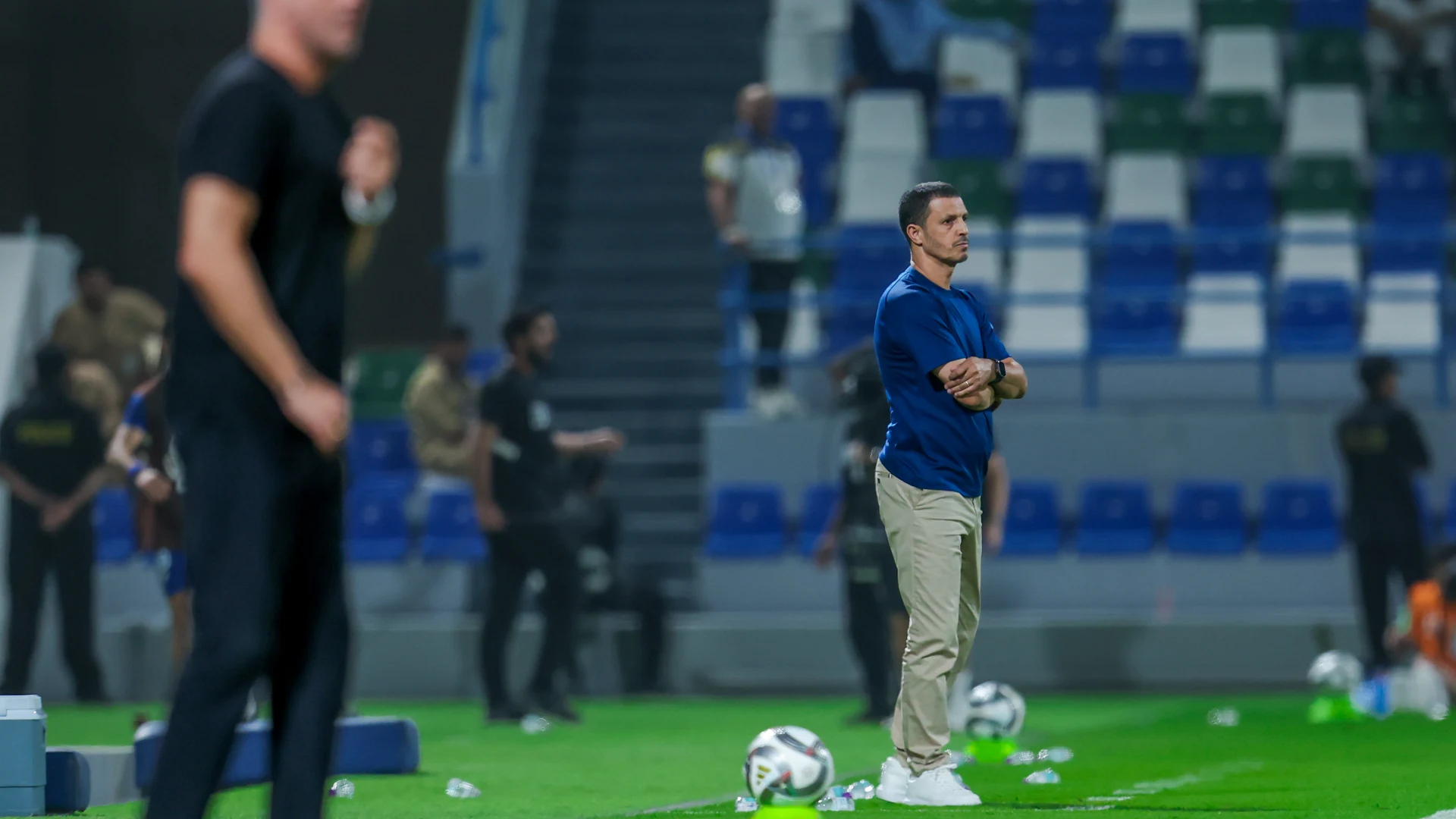
Last week, out went Khaled Al Atwi and in came Moroccan Jamal Sellami, who guided Jordan to this summer's 2026 FIFA World Cup in North America. On paper, it looks a shrewd piece of business from the Al Ahsa club.
There are plenty of managers in club football that are relegation specialists, coaches who have plenty of experience in bringing short-term success to avoid the drop.
However, that's not what this is. Intriguingly, this looks to be the opposite. That the change has happened so early in the season means there’s ample time to flip Al Fateh’s fortunes.
Things are far from desperation stakes for Sellami’s new side, despite them remaining winless following his debut assignment - Saturday’s 4-0 loss at home to Al Ahli. It left the club third from bottom in the table.
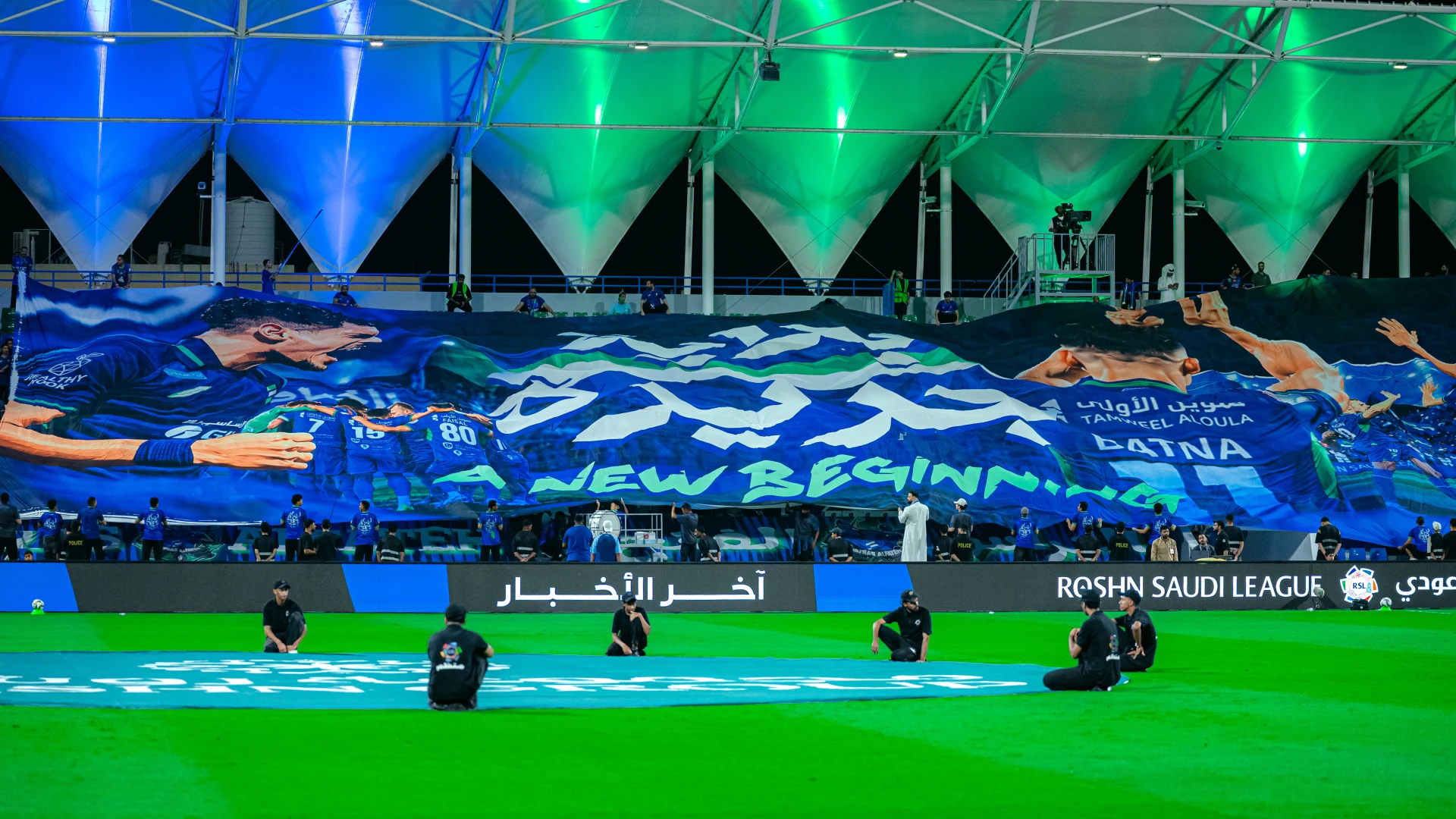
But with almost three-quarters of the season remaining, there's an opportunity to still introduce solid foundations. And that feels more attune to Sellami and his managerial experience. As his CV suggests, he’s more of a builder than a fixer.
The former Morocco international’s greatest achievement as a manager came in taking Jordan to a historic first World Cup, furthering the success of Hussein Ammouta, who guided Al Nashama to the 2024 AFC Asian Cup final.
Sellami knows what it takes to compete, even at the highest level. As a player, he was part of the Morocco squad that went up against Brazil, Norway and Scotland at the 1998 FIFA World Cup.
That experience included a brief cameo in France, when Sellami playing a handful of minutes off the bench against the latter.
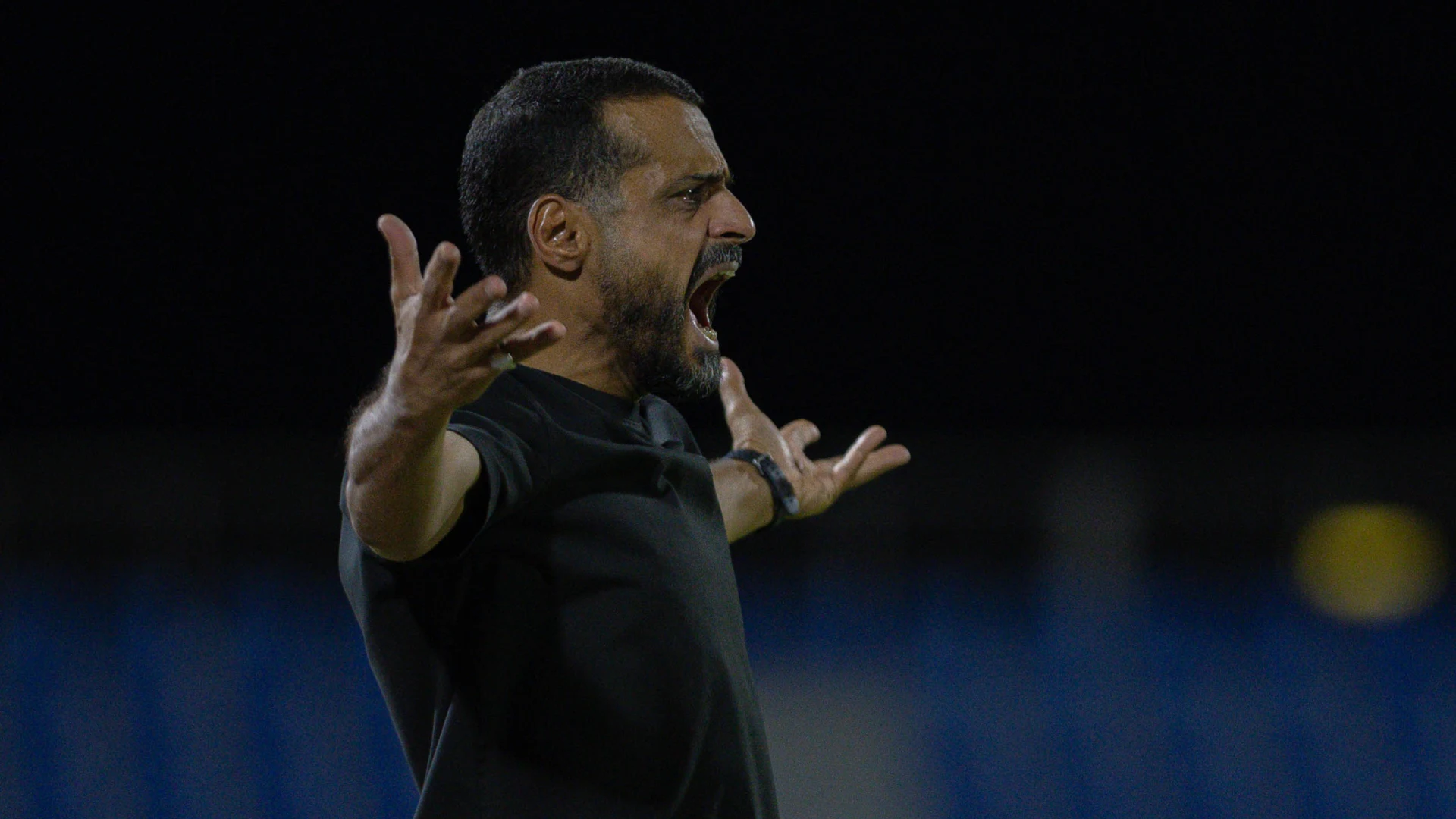
“I still treasure a newspaper clipping where my name is listed among those called up to represent Morocco at the 1998 FIFA World Cup,” Al Fateh’s new man said in a previous interview with FIFA.
Described as quiet and hardworking, before arriving in Jordan he had carved a reputation in Morocco as a developer of talent. First, Sellami worked in Raja Casablanca’s youth set-up before later transferring to Morocco’s age-group sides, during the time when Herve Renard was manager of the country’s senior team.
Given time, as he was previously, Sellami has shown he can construct something that is both successful and sustainable.
With him, Jordan not only qualified for their first World Cup, but they also made the final of last year’s FIFA Arab Cup, falling just short in extra-time against a Morocco side courtesy of RSL all-timer Abderrazak Hamdallah’s winner.

Confidence, Sellami has observed, at a team that is winless in eight will be predictably low. So now it is about increasing that belief within the squad, which begins on the training pitch and in those one-on-one interactions a coach enjoys with his players.
During his time as Jordanian manager, Sellami spoke about how important communication was in making the players believe it was possible to qualify for football’s showpiece tournament - an achievement hitherto unthinkable in the Gulf nation's football.
“Ambition, desire and passion are essential,” Sellami told FIFA before the global finals. “We overcame difficulties, but the focus always remained on the common goal.
“Most importantly, what we focused on during all our meetings was communicating with the players.”
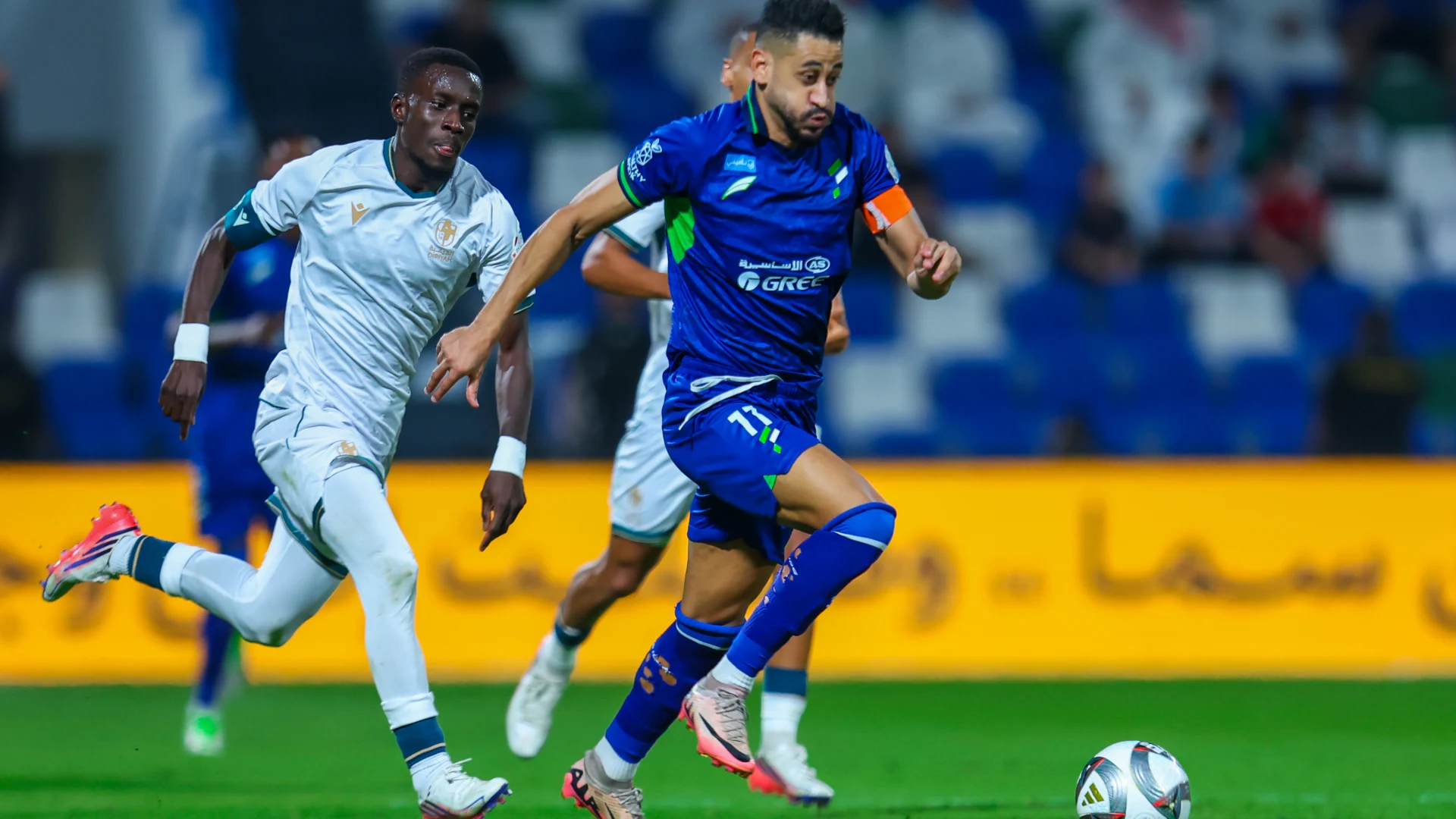
Before developing Jordan into a World Cup team, Sellami had already played a role in Morocco’s own rise.
His 2018 CHAN-winning side featured future senior internationals such as Nayef Aguerd, Badr Benoun, Jawad El Yamiq and Yahya Jabrane, all of whom later formed part of the record-breaking Morocco who reached the semi-finals of the 2022 FIFA World Cup.
That ability to improve players and enhance teams is what Al Fateh will be hoping Sellami can bring to them over the course of - they hope - not just this RSL campaign but future seasons as well.
Only days into the job, he has already identified where Al Fateh must improve. Understandably, Sellami immediately identified the footballing issues, but there is an area he is giving even greater attention.
“We need to make a great effort to correct the team's course on both the technical and mental levels,” he said.
The challenge has changed, but that quote could easily be applied to his current situation at Al Fateh.
On the football side, Sellami has identified the centre of the pitch as a pivotal area to strengthen during the coming weeks and months.
“We’re going through a difficult phase that requires a lot of work to get back on track,” Sellami, a former midfielder with the likes of Raja Casablanca and Besiktas, explained.
“We’re facing issues in certain areas of the field, most notably in midfield, which has affected our ability to create chances and get into the opponent’s box. We’re working to find the right combination to improve our performance.”
For sure, there is lots of work to be done. Yet it feels like Al Fateh, used to battling back against the odds, have the right man for the job.